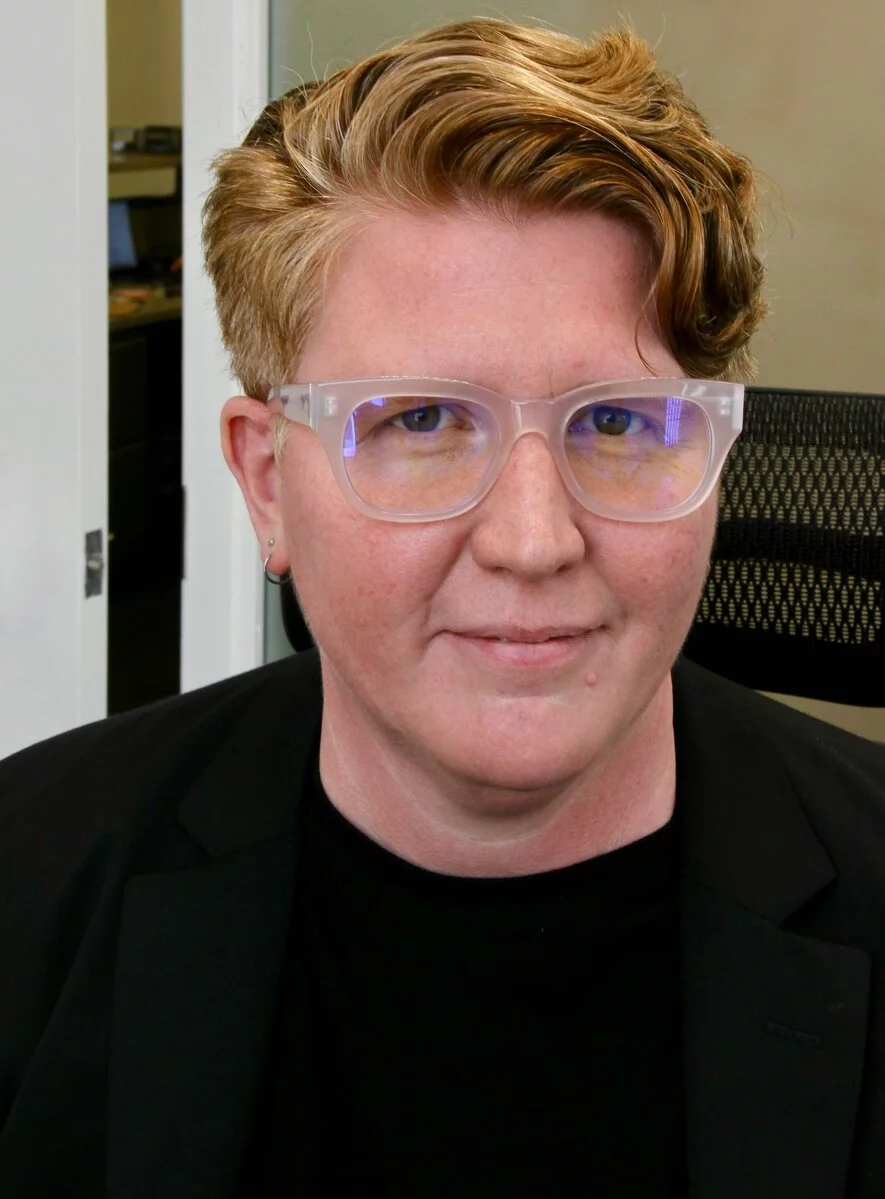
Amanda Ballantyne is a Senior Fellow on Workers and Tech at New America and a Visiting Scholar at MIT’s Stone Center for Inequality and Shaping the Future of Work. She previously served as Executive Director of the AFL-CIO Technology Institute and the Working for America Institute. She is a leading expert and advocate for pro-worker technology policy, with a particular focus on ensuring artificial intelligence serves workers’ interests and strengthens our economy and democracy. Her expertise has been featured in major national publications including The New York Times, The Washington Post, The Wall Street Journal, The Guardian, Politico, Wired, and other media outlets.Ballantyne is a leading advocate for centering workers as expert stakeholders in technology development, deployment, and regulation of emerging technologies. In her work with the AFL-CIO, she played a significant role in advancing worker rights in technology policy, working across unions and worker organizations, government agencies, and businesses to center worker expertise in AI innovation and regulation. She served as an inaugural member of the National Artificial Intelligence Advisory Committee (NAIAC). She has testified before Congress and worked directly with the White House on technology regulation and workforce development. She successfully lobbied for the inclusion of labor organizations in the “Science” portion of the Chips and Science Act, and worked with AFL-CIO affiliates to lead the Federation’s work on Chips & Science Act implementation. Ballantyne was instrumental in negotiating the landmark partnerships between the AFL-CIO and Microsoft (which included a framework neutrality agreement covering Microsoft’s domestic workforce) and developing the AFL-CIO MOU with the National Science Foundation. Ballantyne also played a prominent role in developing the AFL-CIO’s first AI Principles for Workers, a comprehensive framework for responsible AI that prioritizes worker safety, job quality, and protection against harmful surveillance and algorithmic management. She has been a vocal advocate for including workers as core stakeholders in technology development, particularly in publicly funded AI research, and has pushed back against efforts to preempt state-level AI regulations that protect workers from algorithmic discrimination and unchecked surveillance.
Ballantyne brings over 20 years in unions and NGOs focused on the intersection of technology, worker rights, economic justice, and democracy. She serves on advisory committees for the Block Center for Technology and Society at Carnegie Mellon University, Data & Society, and the Center for Civil Rights & Technology. Ballantyne earned her bachelor’s degree from Smith College and her law degree from the University of Washington School of Law.